Filter Categories:
B2B Filter Sourcing
How UAE Buyers Can Source Air Oil Separators from China When Local Stock Is Inconsistent
July 4, 2026
Share:
Quick answer: UAE buyers should start with the exact separator reference, compressor brand and model, photos of the used element, key dimensions, annual demand, and destination details. A clear RFQ helps a Chinese supplier confirm compatibility identification, recommend a sample if needed, and prepare a more reliable quotation for repeat purchasing.
In the UAE market, compressor maintenance often moves fast. A service company may need to support multiple installed brands, while a distributor may be managing urgent replacement demand for industrial users in different sectors. When local stock is incomplete or pricing changes too often, buyers usually need a second sourcing channel that is structured, repeatable, and easier to scale.
That is where China sourcing becomes practical, but only if the purchasing process is handled carefully. The goal is not simply to find any supplier. The goal is to confirm the right reference, reduce quotation risk, and build a reorder path that works for real maintenance demand. Buyers reviewing the Filter Catalog, the Air Oil Separators category, and the Contact / RFQ page should use those resources together rather than treating them as separate steps.
Many UAE buyers do not switch suppliers because of theory. They do it because day-to-day maintenance creates pressure. Some need replacement air oil separators for multiple compressor brands. Others face interruptions when the required reference is not readily available through local channels. In these situations, sourcing from China is often considered for several practical reasons:
For air compressor applications, buyers often begin with compatible replacement references such as the 1622065800 Atlas Copco Air Oil Separator or the 1625481100 Atlas Copco Air Oil Separator Replacement. Even when the final order is for another model, these product pages show the kind of reference-based sourcing information that helps move an enquiry forward.
The strongest enquiries from UAE buyers do not ask only for price. They give enough technical and commercial context for the supplier to review the request properly. If the supplier receives only a partial part number with no supporting details, quotation quality drops and follow-up becomes slower.
| RFQ item | Why it matters |
|---|---|
| Part number or cross-reference | Provides the starting point for compatibility identification. |
| Compressor brand and model | Helps when part numbers are incomplete, old, or regionally formatted. |
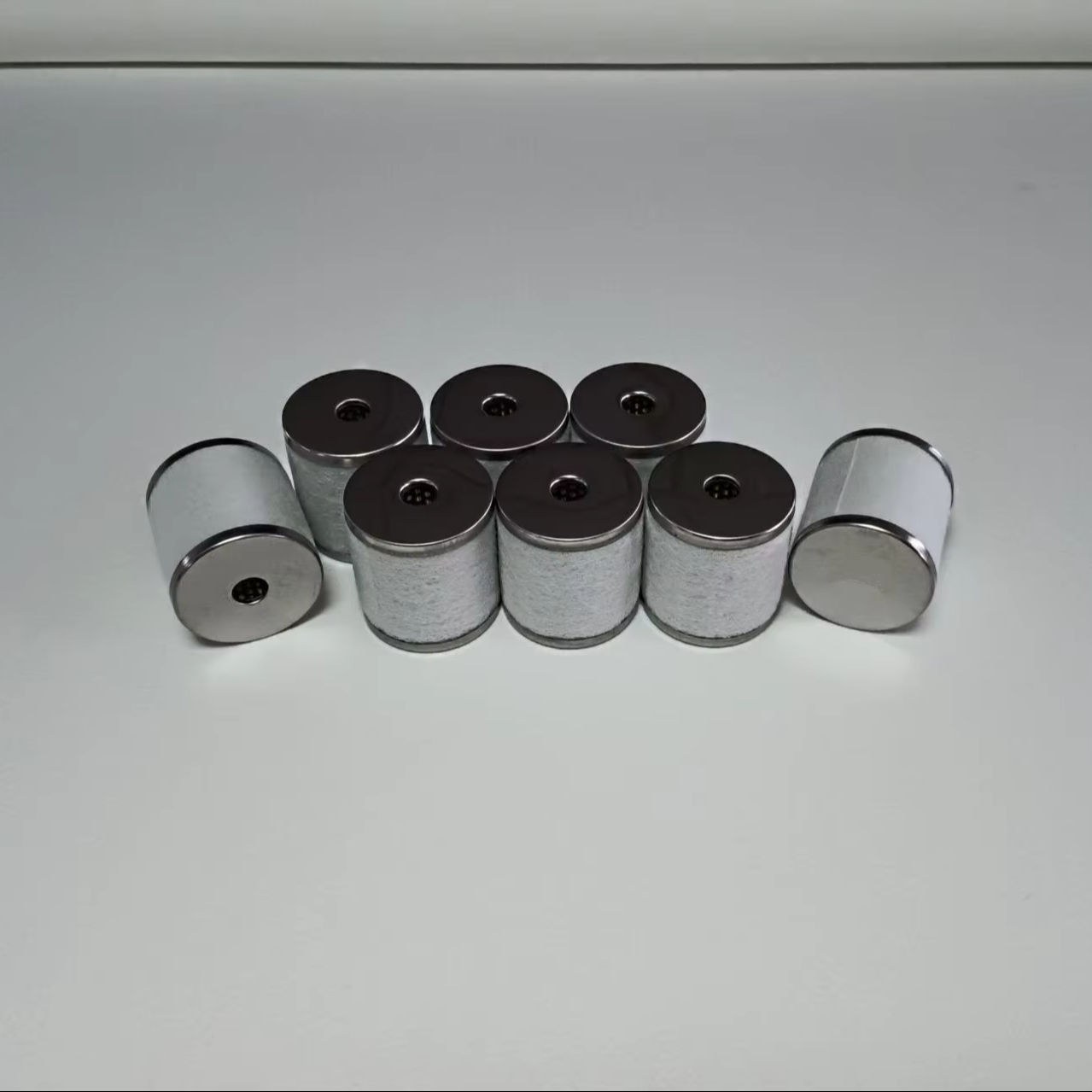
| Photos of the used separator | Shows construction details, label data, and visible installation features. |
| Key dimensions | Supports reference checking before sample or bulk quotation. |
| Required quantity | Separates urgent single-piece demand from distributor or project purchasing. |
| Destination in the UAE | Useful for packing and shipment planning. |
| Buying target | Clarifies whether the request is for end-user maintenance, sample approval, or repeat stock supply. |
Buyers can also share drawings, previous labels, or maintenance records if available. If the exact separator is not confirmed, a supplier can often review a photo set plus dimensions and ask more targeted questions before issuing the quotation.
One of the most common mistakes in overseas sourcing is treating a compatible replacement purchase like a simple commodity reorder. Air oil separators are typically ordered by reference, but real procurement still depends on verification. UAE buyers should use a staged review process before moving to bulk purchasing.
This matters especially for buyers supporting several customer accounts. If one maintenance team approves a sample but another team later reorders under a different internal code, the purchasing path becomes inconsistent. A documented reference file helps avoid that problem.
Not every order requires a sample, but samples are useful when the reference is new to your team, when the used separator data is incomplete, or when you are building a new stocking list. The sample stage should confirm reference alignment, visible construction details, and purchasing documentation before larger volumes are discussed.
After sample approval or reference confirmation, buyers should also clarify packing and shipment expectations. This does not mean relying on guessed logistics claims. It means sharing your preferred shipment approach, carton labeling needs, and commercial document expectations early so the supplier can quote on the correct basis. If import documentation, HS coding, or customs handling is relevant, buyers should confirm final requirements with their local customs broker or compliance advisor in the UAE.
The Products overview and Leader Filters homepage are useful checkpoints here because they frame the enquiry around compatible replacement filters, reference identification, and RFQ support rather than generic catalog browsing.
Most sourcing delays come from process gaps, not from the idea of buying from China itself. The following issues are common:
These are avoidable if procurement, maintenance, and the supplier work from the same reference set. A clean RFQ normally creates a cleaner quotation, and a cleaner quotation usually creates a better reorder cycle.
Leader Filters supports compatible replacement filter sourcing for industrial buyers who need a practical RFQ path. For air oil separator enquiries, buyers can send part numbers, equipment references, dimensions, photos, drawings, target quantity, and destination details for review. That helps move the discussion from general interest to a usable quotation process.
This is particularly useful for UAE buyers managing distributor demand, scheduled compressor maintenance, or mixed-brand installed bases where local availability is not always predictable. The enquiry can start with one urgent reference and later expand into a more organized reorder list once the compatibility references have been reviewed.
No. A sample is most useful when the reference is new, incomplete, or commercially important for future stocking. For known references with clear supporting data, buyers may move directly to quotation review.
Send photos from multiple angles, the compressor brand and model, visible markings, and key dimensions. That usually gives the supplier enough context to begin compatibility identification.
Yes, but each reference should be listed separately with its own quantity and supporting notes. That keeps quotation review clearer for both sides.
Yes. Even if the shipment plan is not final, destination information helps the supplier think through packing and export preparation more accurately.
Keep one internal record with the approved reference, supplier quotation reference, packing notes, and application details so future reorders are based on the same compatibility identification.
If you are sourcing replacement air oil separators from China for customers or maintenance projects in the UAE, send your RFQ with the current part number, compressor model, photos, dimensions, target quantity, and destination details. Leader Filters can review the request, support compatibility identification, and help you move from one-off sourcing to a more organized reorder process.
Brand names and part numbers are used for reference and compatibility identification only. Leader Filters supplies compatible replacement filters unless otherwise stated.